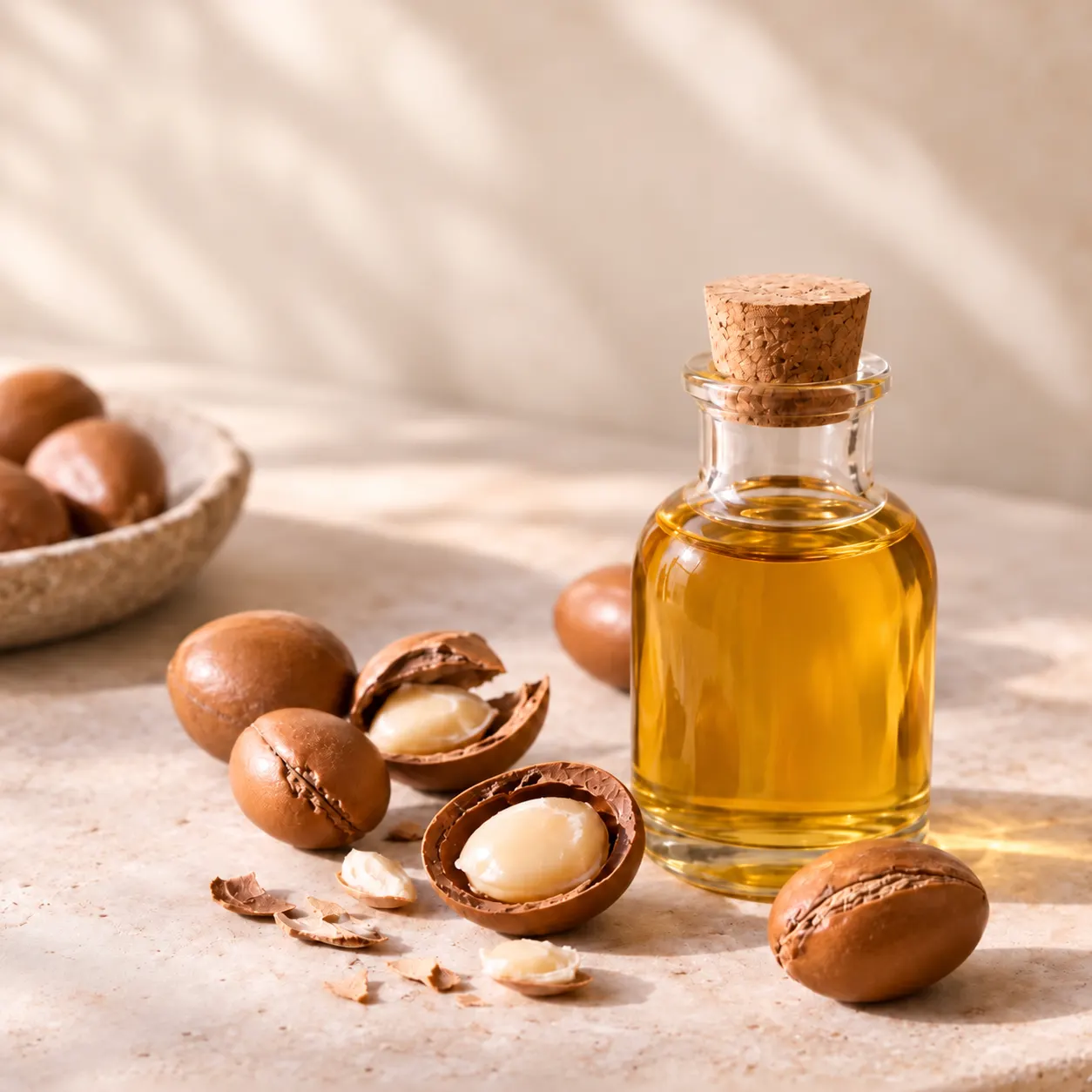
Argan oil often appears in shampoos, masks, conditioners, and hair oils. But what makes it special? Is its appeal simply a matter of popularity in the beauty industry, or have its properties also been studied scientifically?
To answer this question, we need to understand where argan oil comes from, which substances it contains, and how it may affect the hair shaft.
Where does argan oil come from?
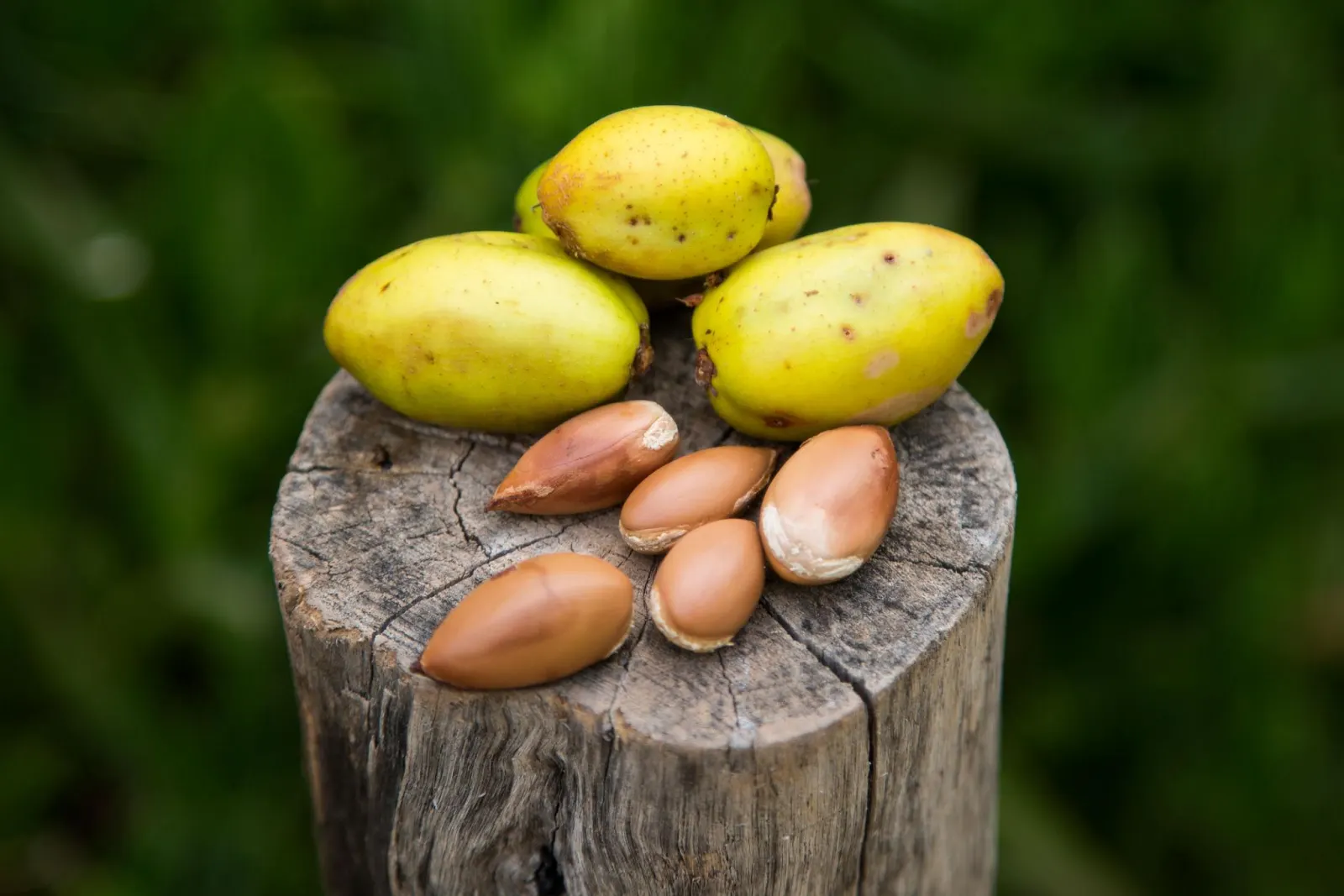
Argan oil is extracted from the kernels inside the fruit of the argan tree (Argania spinosa). This tree grows mainly in southwestern Morocco and is an important part of the local ecosystem and culture. [2]
In 2014, UNESCO added the traditional knowledge and practices associated with the argan tree to its Representative List of the Intangible Cultural Heritage of Humanity. [4]
Argan oil intended for cosmetic use is generally made from unroasted kernels, while kernels used to produce edible oil are often roasted first. The processing method can affect the oil's aroma and properties. [2]
What is in argan oil?
One of argan oil's defining characteristics is its fatty acid composition.
According to a scientific review published in 2022, unsaturated fatty acids make up approximately 80% of argan oil. Particularly important among them are:
- Oleic acid (43–49%) - a monounsaturated fatty acid and one of argan oil's main components.
- Linoleic acid (29–36%) - a polyunsaturated fatty acid in the omega-6 group. [2]
Argan oil also contains tocopherols, compounds in the vitamin E family that have antioxidant properties. Gamma-tocopherol is of particular interest, as it accounts for most of the tocopherols in argan oil. [2]
Antioxidants help slow oxidation, but it is important to distinguish between the oil's antioxidant properties demonstrated in the laboratory and its actual effects on human hair.
The presence of these substances does not, on its own, mean that the oil repairs every type of damage. Assessing that requires studies carried out directly on hair.
How do oils act on the hair's surface?
To understand how argan oil works, we first need to look at the structure of hair.
The outer layer of the hair shaft is called the cuticle. It consists of overlapping cells that protect the shaft's internal structure. [3]
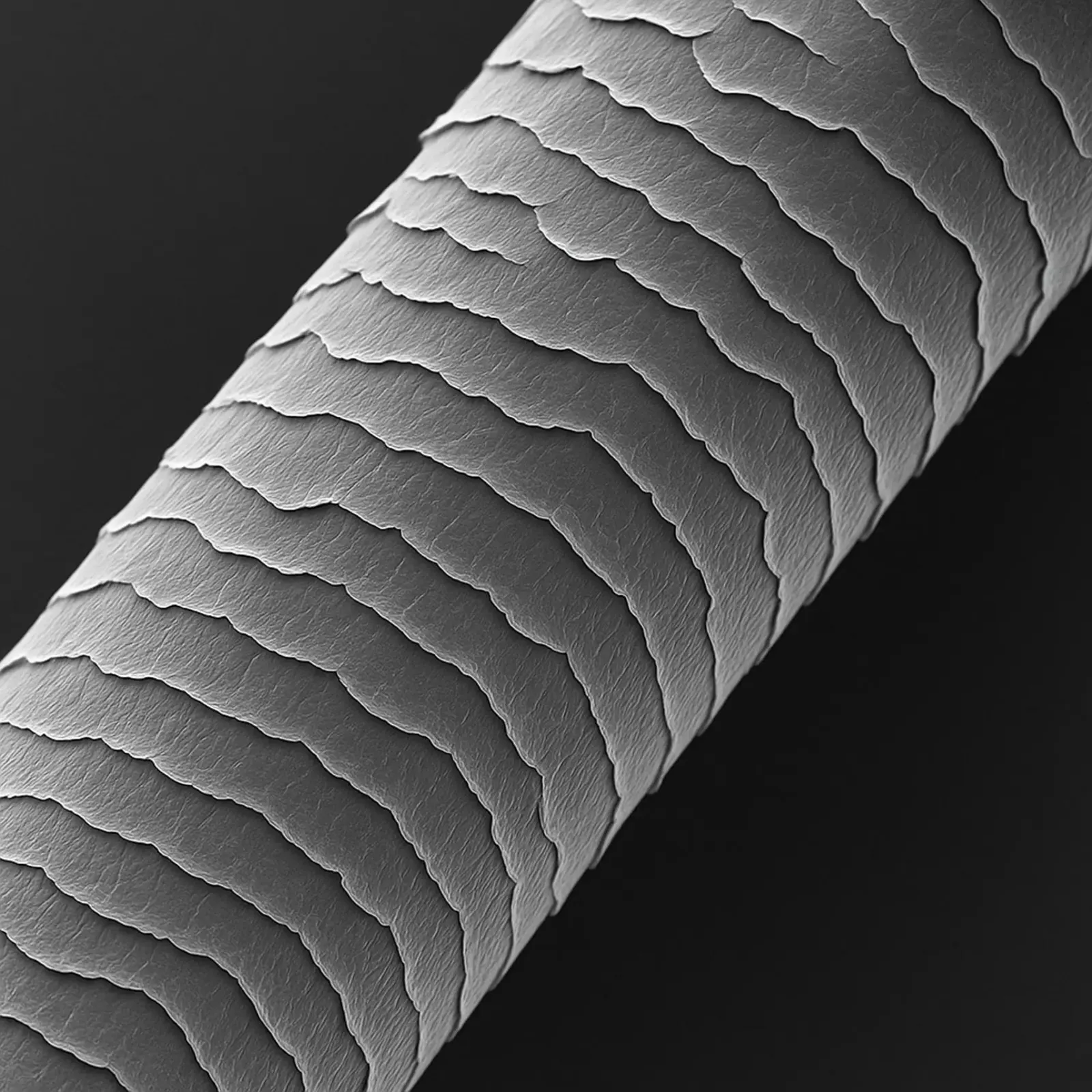
Frequent coloring, bleaching, high temperatures, and mechanical friction can damage the cuticle's surface. This is why hair often becomes rough, tangles easily, and loses its shine.
Plant oils are used in hair care products partly for their softening and surface-lubricating properties.
A layer of oil on the hair's surface may reduce friction between strands, make combing easier, and give hair a smoother feel.
Why does smoother hair look shinier? When the hair's surface is more even, it reflects light more uniformly. Shine is therefore related to the condition of the hair's surface as well as its color.
These mechanisms are well described in the scientific literature on hair conditioning. However, the specific result depends on the type and amount of oil, the overall formula, and the condition of the hair itself. [3]
What does the 2022 study on argan oil show?
One particularly interesting study on argan oil was published in 2022 in the Journal of Cosmetic Dermatology. [1]
The researchers wanted to find out whether pretreating hair with argan oil could protect it from chemical oxidative damage.
For the experiment, they used cut human hair samples divided into three groups.
Hair in the first group was exposed directly to an oxidizing agent. In the other two groups, the hair was first treated with argan oil. The oil was then removed physically in one group and by washing in the other, before the hair was exposed to the chemical treatment.
The researchers used specialized methods to measure protein loss from the hair and examine changes on the surface of the shaft.
The result was interesting: both groups pretreated with argan oil showed statistically significantly less protein loss than the group in which no oil was used. [1]
Why does this matter?
The main structural component of the hair shaft is keratin, a protein whose condition is related to the hair's strength. Chemical damage can contribute to the loss of protein material.
The findings suggest that pretreatment with argan oil has the potential to protect hair against certain forms of chemical damage.
However, this was a laboratory experiment on cut hair, rather than a long-term clinical study in people. The result therefore does not mean that argan oil can return already damaged hair to its original condition. [1]
Can argan oil repair split ends or speed up hair growth?
Here, it is important to distinguish between a cosmetic effect and actual repair of the hair's structure.
Argan oil can soften the ends of the hair and help them look smoother, but it cannot permanently fuse ends that have already split. Trimming is needed to remove them.
At the same time, care that softens the hair's surface may be useful for reducing friction and everyday mechanical damage.
As for faster hair growth, there is currently insufficient high-quality clinical evidence that using argan oil alone accelerates hair growth or treats hair loss.
Its main role in hair care is therefore more closely associated with improving the condition of the hair shaft, softness, smoothness, and visible shine.
How should you use products containing argan oil?
The amount matters when using oil. Too much can leave hair feeling heavy or greasy, particularly if it is fine.
When using a leave-in hair oil, it is best to start with a small amount and distribute it through the lengths and ends, following the product's instructions.
Argan oil may be used on its own or as part of a blend of several oils. In a blend, the final result depends on the whole formula, as well as on any individual ingredient.
Why is argan oil part of DIVARA's formula?
DIVARA's hair oil combines five natural oils, one of which is argan oil.
One reason for choosing it is its chemical composition and the properties that have been studied in hair care.
We believe hair care should go beyond visual results: customers should know what their product contains and why each ingredient is used.
Argan oil is no magic solution to every hair concern. However, its composition, softening properties, and the existing research on chemical damage to hair make it an interesting ingredient.
We will continue introducing other ingredients on the DIVARA blog with the same approach: science-based information, clear explanations, and realistic expectations.
Scientific references
1. Sharifi N. et al. (2022) - Argan oil as a pretreatment of human hair before exposure to oxidative damage: Attenuated total reflectance and protein loss studies.
Journal of Cosmetic Dermatology.
2. Argan Oil: Chemical Composition, Extraction Process, and Quality Control (2022).
Frontiers in Nutrition - a scientific review of argan oil's composition and production.
Read the full article on PubMed Central
3. Dias M.F.R.G. (2015) - Hair Cosmetics: An Overview.
International Journal of Trichology - a scientific review of hair structure and the effects of cosmetic ingredients.
Read the full article on PubMed Central
4. UNESCO (2014) - Argan, practices and know-how concerning the argan tree.
This article is for informational purposes. Some of the studies described concern pure argan oil, rather than tests carried out on DIVARA's finished formula.